
Edirne · Legal information
Immigration Lawyer in Edirne, Turkey
Edirne borders Bulgaria and Greece, and many decisions about foreign nationals in Turkey are taken or carried out here. This page explains the most common procedures, the deadlines that apply under Turkish law and how our office in central Edirne can help foreign nationals and their families.
Key facts
- Appeal against a deportation order
- 7 days from notification, to the administrative court (Law No. 6458, Art. 53)
- Objection to administrative detention
- To the criminal judgeship of peace; decided within 5 days (Art. 57)
- Maximum detention period
- 6 months, extendable by up to 6 more months (Art. 57)
- Entry ban after deportation
- Up to 5 years; up to 10 more years for serious public order or security threats (Art. 9)
- Other administrative decisions
- As a rule 60 days to file a case (Law No. 2577, Art. 7)
How we can help
Our office provides legal advice and representation to foreign nationals and their families in:
- Deportation orders – filing an annulment case within the 7-day deadline before the administrative court
- Administrative detention – objections to the criminal judgeship of peace and requests for alternatives to detention such as reporting duties, residence at a fixed address or a guarantee
- Entry bans and restriction codes – requests to the Presidency of Migration Management to lift a ban, and annulment cases
- Residence and work permits – applications and challenges to refusals or cancellations
- International protection – applications and cases against negative decisions
- Turkish citizenship – applications under Law No. 5901
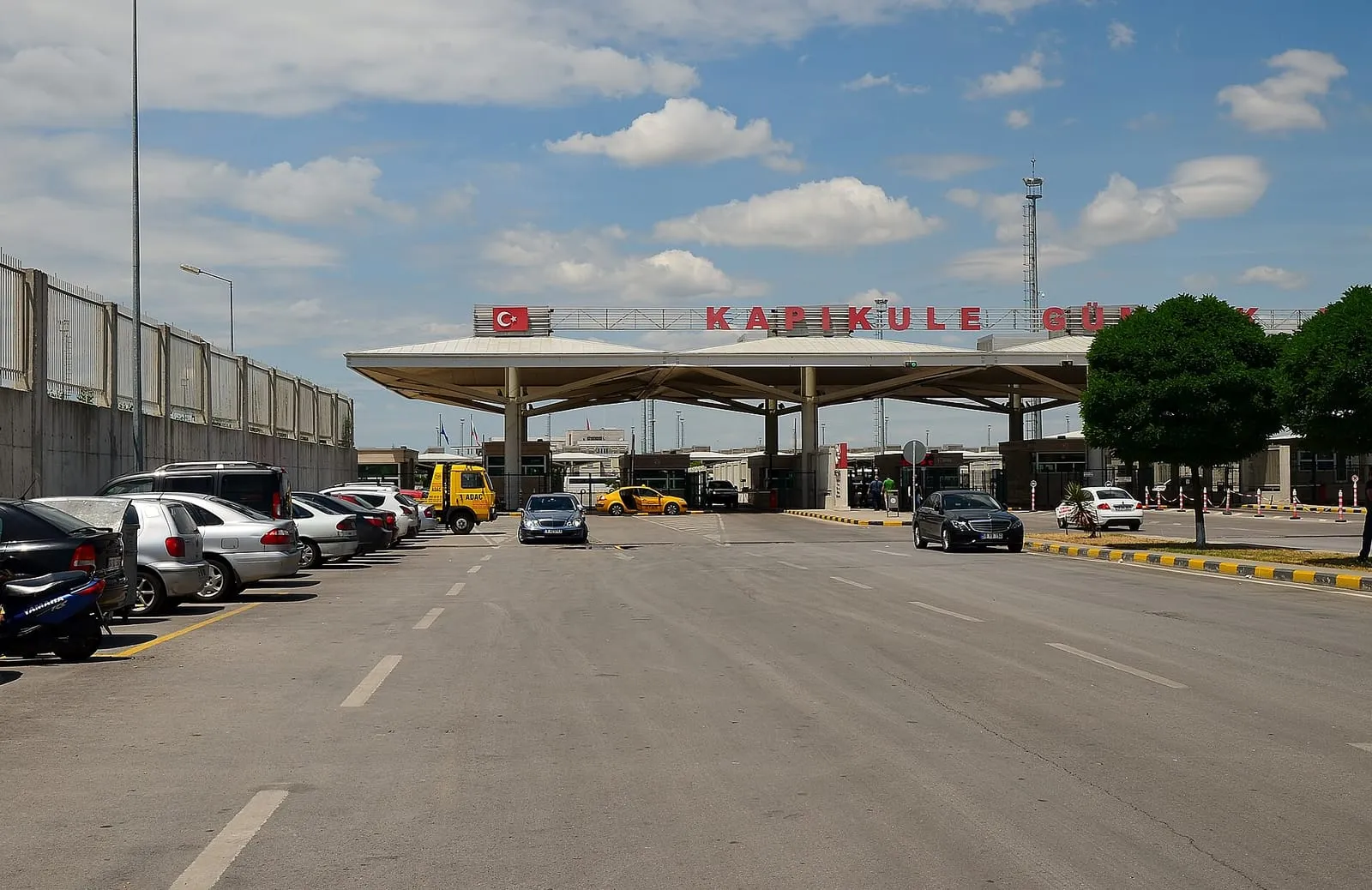
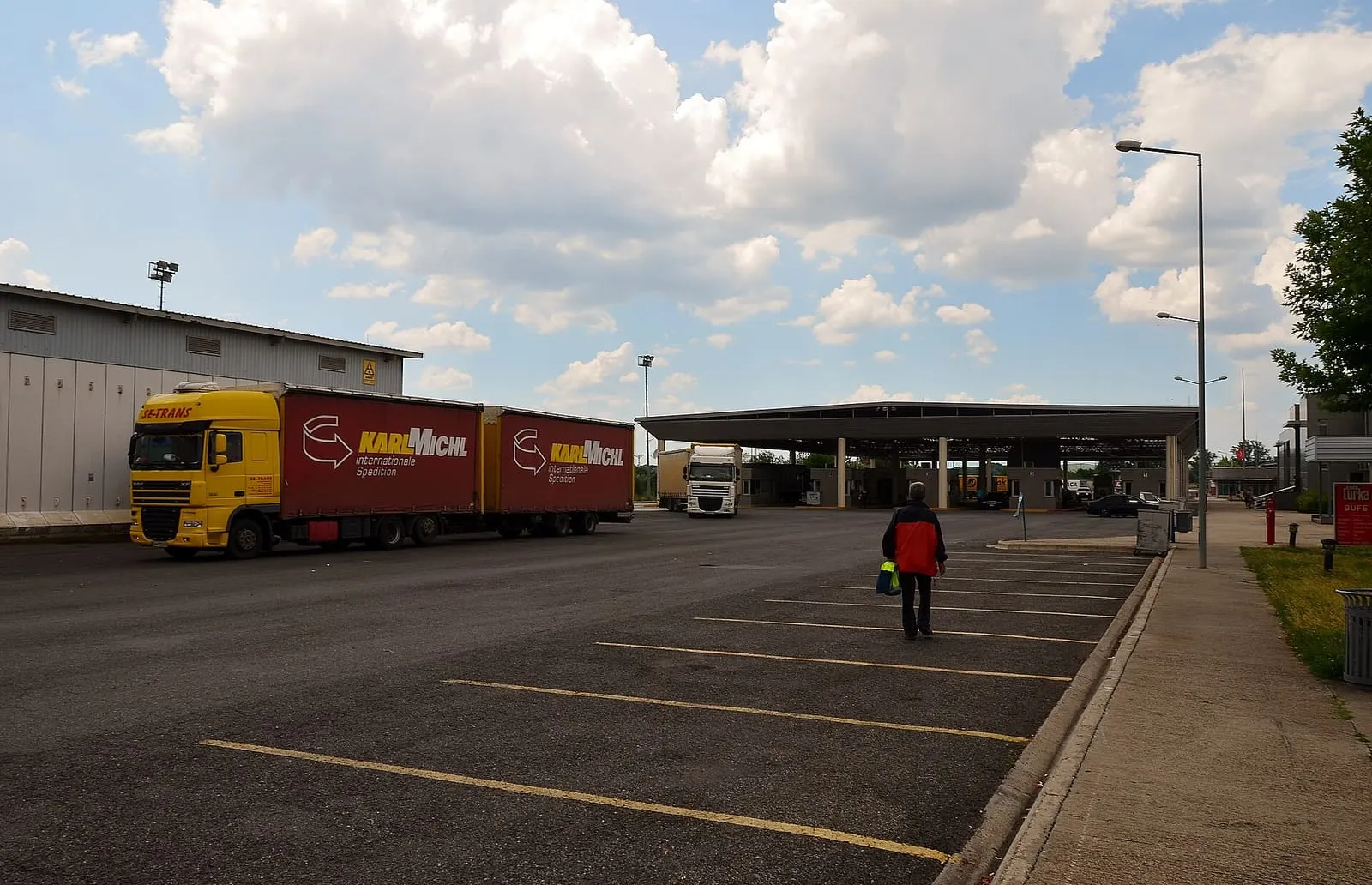
- Incidents at border gates – arrests, seizure of vehicles or goods and smuggling allegations at Kapıkule, Hamzabeyli, Pazarkule and İpsala
Why deadlines matter
Several of these deadlines are much shorter than the usual 60-day limit in Turkish administrative law. The deadline to challenge a deportation order is seven days, counted from the date of notification. Once it has passed, the court may not examine the merits even if the order was unlawful. When an order is served, the first step is to record the date of the decision, its legal grounds and the date of notification.
What to bring or send us
- The decision or notification document (a photo is enough to start)
- Passport, residence permit card or foreign identity number
- Documents on previous residence, work permit or international protection applications
- Documents showing family ties in Turkey (marriage, children’s registration, school records)
- If the person is detained: full name, date of birth, nationality and the date they were taken to the centre
Our office
We are located in central Edirne (Sabuni Mahallesi). Use the links next to this page for directions on Google Maps, Yandex Maps or Apple Maps, or contact us by phone or WhatsApp.
More detail: Challenging a deportation order · Administrative detention and the Edirne removal centre · Lifting a Turkey entry ban · Residence permits · Legal help at the border gates
Turkish version of this page: Edirne Göçmen Avukatı

Frequently asked questions
My relative is held at the removal centre in Edirne. Can a lawyer visit?
Yes. A foreign national under administrative detention has the right to meet a lawyer. To take legal action the lawyer normally needs a power of attorney; how it is issued for a person in detention (notary, interpreter) is planned according to the case.
Will the person be deported while the court case is pending?
No. Unless the person consents to leave, a foreign national is not deported during the 7-day period or, if a case is filed, until the court decides. Since Article 53 was amended by Law No. 7533 of 21 November 2024, this applies whatever the grounds of the order. Because the deadline is so short, the order should be examined on the first day.
Are proceedings in English?
No. Court proceedings and official procedures in Turkey are conducted in Turkish. The person concerned must be informed of the decision and of the available remedies, and an interpreter is used where necessary.
I was refused entry at the border because of a ban code. What can I do?
Keep the document you were given at the border. Depending on the type of record, a request to lift the ban can be made to the Presidency of Migration Management, or the ban can be challenged before the administrative court.
Related articles (Turkish)
Legal basis and official sources
- Law No. 6458 on Foreigners and International Protection (Turkish, mevzuat.gov.tr)
- Presidency of Migration Management (Göç İdaresi Başkanlığı)
Last updated:
The information on this page is general and is not legal advice. Laws and court decisions change; every case must be assessed on its own facts.