
Edirne · Legal information
Criminal Defense Lawyer in Edirne, Turkey
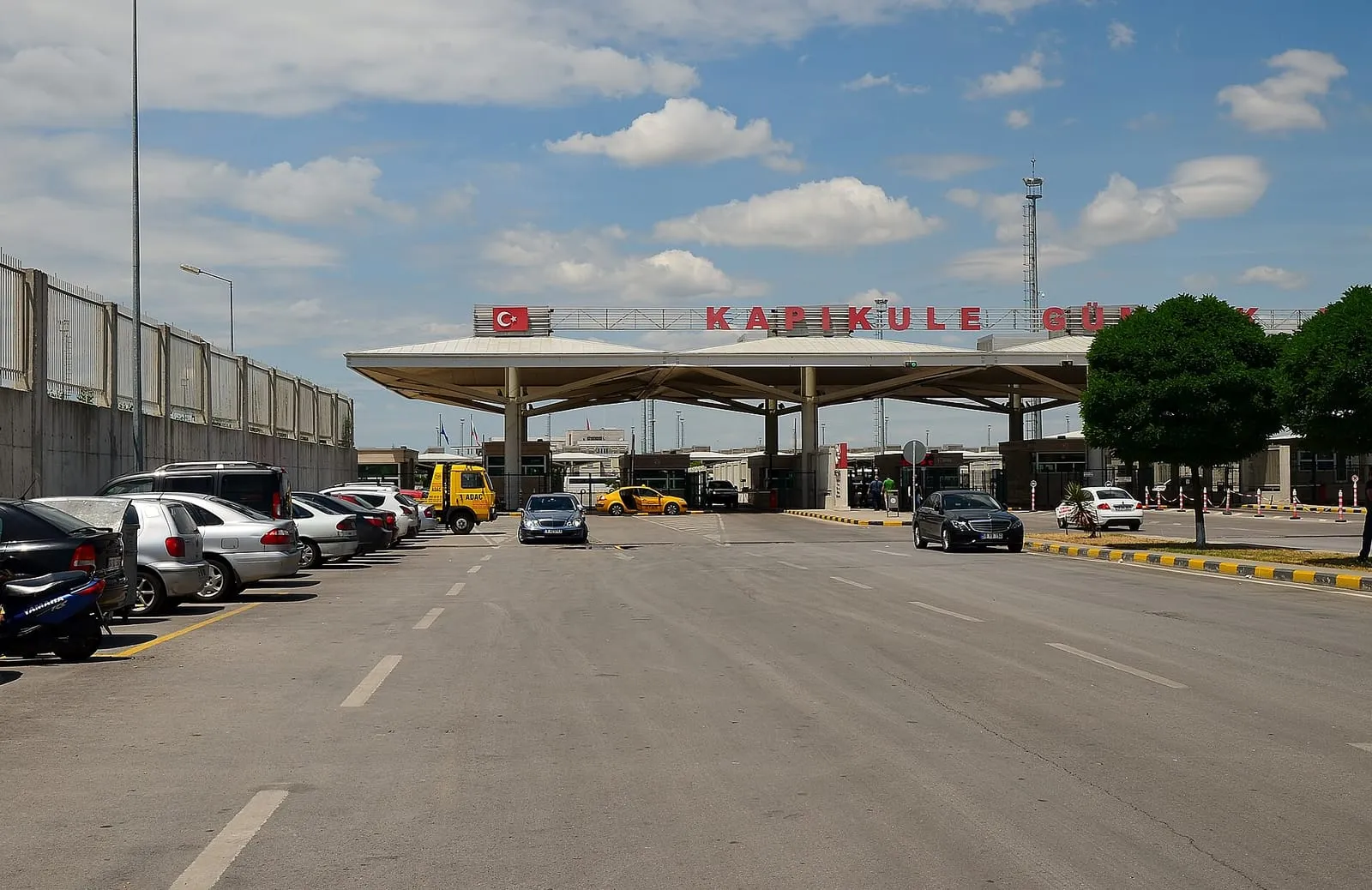
Being arrested in a foreign country is frightening. Edirne is a border province, and many arrests of foreign nationals and Turkish citizens living abroad happen at the border gates. This page explains your rights from the first hour and how criminal proceedings work in Turkey.
Key facts
- Police custody
- As a rule up to 24 hours from arrest; for offences committed collectively (by three or more people), the prosecutor may extend it by up to one day at a time, by a total of up to three more days (Code of Criminal Procedure art. 91)
- Right to a lawyer
- At every stage of the investigation; the bar association appoints one if you cannot (art. 149, 150)
- Right to remain silent
- You do not have to answer questions about the accusation (art. 147)
- Interpreter
- Provided free of charge if you do not speak Turkish
- Objection to pre-trial detention
- Within two weeks of learning of the decision (art. 268)
Cases we handle
- Arrests at the border gates – Kapıkule, Pazarkule, Hamzabeyli and İpsala: smuggling of goods, undeclared cash or gold, forged documents
- Migrant smuggling allegations (Turkish Criminal Code art. 79) – drivers and vehicle owners
- Drug offences – possession for personal use (art. 191) and trafficking (art. 188)
- Questioning, custody and detention – statements at the police or prosecutor’s office, objections to detention, judicial control
- Trials and appeals – criminal courts of first instance, high criminal courts, regional appeal courts
- Victims of crime – filing complaints and joining proceedings as a participant
Your rights in the first hours
- Ask for a lawyer before you give any statement. Your first statement affects the whole case.
- Ask for an interpreter if you do not fully understand Turkish. Do not sign documents you have not understood.
- Ask for your family and consulate to be informed.
- Keep copies of the arrest, search and seizure reports you are given.
After the investigation
If the prosecutor files an indictment, the case is heard by the competent criminal court. Decisions can be challenged on appeal. If you are convicted, the time to be served is calculated under the Law on the Execution of Sentences; our sentence calculator (in Turkish) gives an estimate: İnfaz hesaplama.
Our office
We are in central Edirne (Sabuni Mahallesi) and we also attend police stations, gendarmerie units and courthouses in the districts of Edirne. Use the links next to this page for directions, or contact us by phone or WhatsApp.
At the border gates: Legal help at Kapıkule and the Edirne border gates · Turkish versions: Kapıkule ve sınır kapıları · Gözaltı, ifade ve tutuklama · Immigration matters: Immigration lawyer in Edirne
Frequently asked questions
My relative was arrested at Kapıkule. What should we do first?
Find out which unit (police, gendarmerie or customs) is holding the person and on what allegation. Ask for a lawyer before any statement is given. A family member can also apply to the criminal judgeship of peace against the custody itself.
Will my consulate be informed?
Under the Vienna Convention on Consular Relations, a detained foreign national has the right to have his or her consulate informed and to communicate with consular officers. You can ask the police to notify your consulate.
Can I be released while the case continues?
Yes. Instead of detention, the judge can order judicial control measures such as a travel ban, regular reporting to the police or a security deposit. Arguing that judicial control is sufficient is often the core of the defence when the suspect is brought before the criminal judgeship of peace.
What happens to my residence permit or right to stay?
Criminal proceedings can lead to deportation and administrative detention procedures for foreign nationals. These are separate administrative procedures with very short deadlines, such as seven days to challenge a deportation order.
Related articles (Turkish)
Legal basis and official sources
- Turkish Code of Criminal Procedure No. 5271 (Turkish, mevzuat.gov.tr)
- Vienna Convention on Consular Relations (United Nations)
Last updated:
The information on this page is general and is not legal advice. Laws and court decisions change; every case must be assessed on its own facts.